Description:
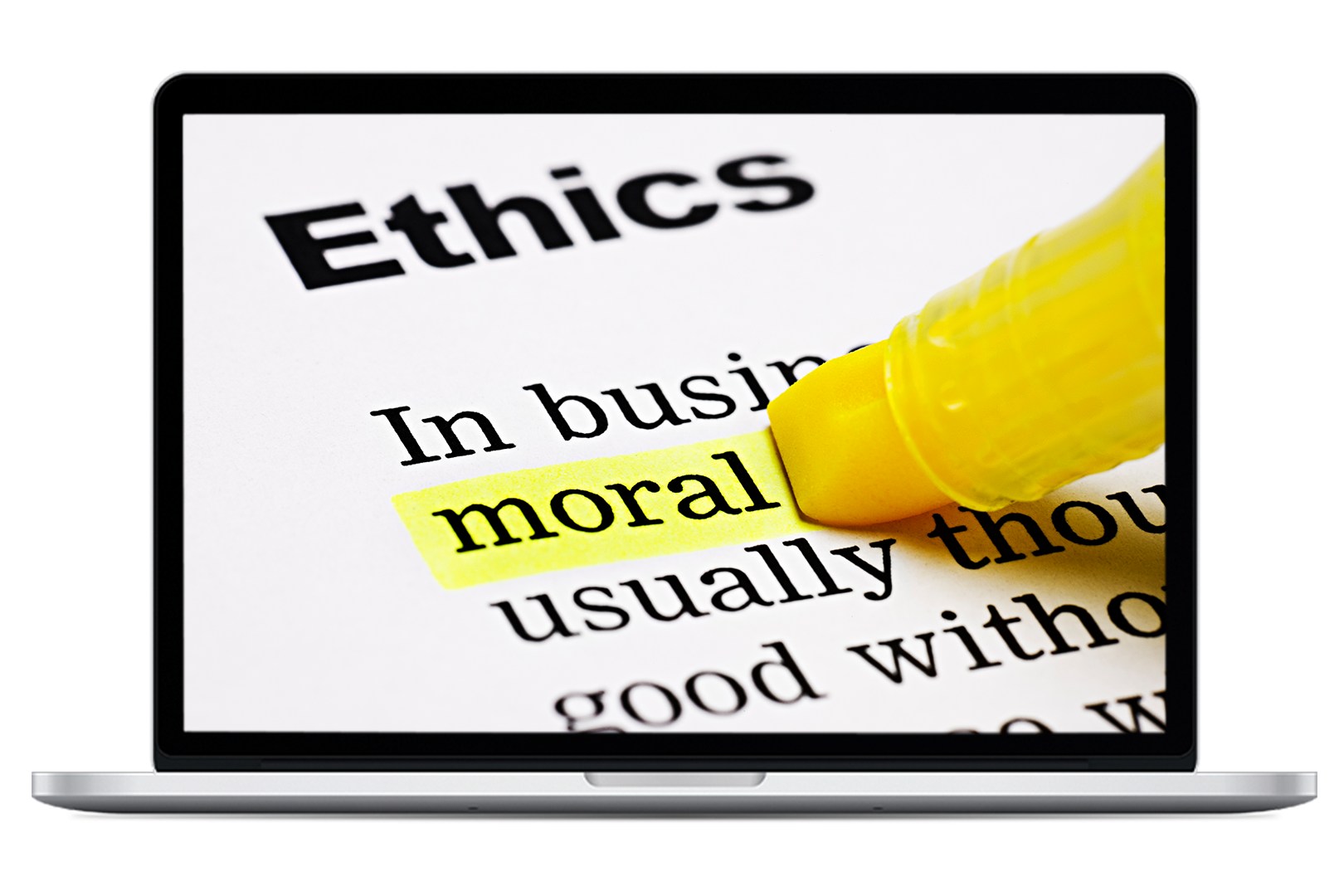
In today’s business climate, ethics is more than simply taking the moral high road—it is a matter of self-preservation. Fraud examiners face many situations that require ethical reflection as part of their daily lives, and, often, there is no obvious line between right and wrong. Consequently, CFEs might find themselves on a slippery slope when it comes to determining the best course of action.
This course will discuss how codes of ethics, conduct and practice in general—and the CFE Code of Professional Ethics and CFE Code of Professional Standards, in specific—provide guidance for fraud examiners when they are confronted with ethical uncertainty in professional situations.
Learning Objectives:
Articulate the benefits of having codes that govern the actions of professionals
Examine the Certified Fraud Examiner Code of Professional Ethics to understand how it applies to Certified Fraud Examiners
Express why professionalism, diligence, ethical conduct, integrity, and competence are important to anti-fraud professionals
Analyze the Certified Fraud Examiner Code of Professional Standards to understand how it applies to Certified Fraud Examiners
Reason through fact scenarios to identify possible violations of the Certified Fraud Examiner Codes of Professional Ethics and Professional Standards
Preview Course
Field of study: Behavioral Ethics
Last updated: July 2012
ACFE Ordering and Return Policy
Please Note: All self-study course exams must be completed within one year of purchase date to receive CPE credit.
The Association of Certified Fraud Examiners, Inc. is registered with the National Association of State Boards of Accountancy (NASBA) as a sponsor of continuing professional education on the National Registry of CPE Sponsors. State boards of accountancy have final authority on the acceptance of individual courses for CPE credit. Complaints regarding registered sponsors may be submitted to the National Registry of CPE Sponsors through its website: www.learningmarket.org
Table of Contents:
Lesson 1: Introduction
Lesson 2: Professional Codes of Conduct, Practice, and Ethics
Lesson 3: The Certified Fraud Examiner Code of Professional Ethics
Lesson 4: Commitment to Professionalism and Diligence
Lesson 5: Legal and Ethical Conduct and Conflict of Interest
Lesson 6: Integrity and Competence
Lesson 7: Court Orders and Testimony
Lesson 8: Reasonable Evidential Basis for Opinions
Lesson 9: Confidential Information
Lesson 10: Complete Reporting of Material Matters
Lesson 11: Professional Improvement
Lesson 12: CFE Code of Professional Standards
Lesson 13: Discussion of the Standards of Professional Conduct
Lesson 14: Standards of Examination
Lesson 15: Standards of Reporting
Lesson 16: Conclusion
ACFE online self-study courses feature:
24/7 access to courses through your Internet browser
Save time and quickly earn CPE credits with instant access, grading and printable certificate
The flexibility to start or stop a course and pick-up right where you left off
No additional shipping fees
Learn more about accessing your online self-study course.
Learn more about online self-study courses and their features.
System requirements:
Internet access: High-speed connection recommended
Free Adobe Flash Player
Speakers required for video sound
Online Self-Study Troubleshooting Guide:
Problem: When I attempt to access my courses from “My Online Learning,” the course never launches, or I receive an error message saying my pop-up blocker needs to be turned off.
Solution: Your web browser must be configured to allow pop-ups in order to access ACFE Self-Study courses. Your browser may prompt you to allow pop-ups, or you may have to allow them manually. You may either allow them for all sites, or allow them just for the current site.
For information on how to manage your pop-up blocker settings in a specific browser, click the link below that corresponds to the browser you are using:
Internet Explorer
Google Chrome
Firefox
Also note that many toolbars, such as the Google Toolbar and Yahoo! include pop-up blockers as well. If you have one or more toolbars installed on your browser with built-in pop-up blockers, you must configure them to allow pop-ups.
Problem: When I click on a course from “My Online Learning,” I am presented with a login page, but my ACFE.com username and password won’t allow me to log in.
Solution: You do not have to log in a second time to access your online self-study. You most likely reached the login page because you clicked the link labeled “Click Here” as shown below:

Do not click that link; instead, allow your browser to automatically open the eLearning window on its own, which should happen after a few seconds. This will log you in automatically so that you can access your online courses.
Problem: I receive the following error when I try to load a different lesson with a course:
Solution: This occurs in Internet Explorer when trying to load a different lesson without closing the current lesson. This error can be avoided two different ways:

Always close the current lesson before going to another one. Always click the Close Window button (usually the red “X” in the upper right corner) of the current lesson before clicking on another lesson.
Use a different browser. This error seems to only occur in Internet Explorer, so using Mozilla Firefox or Google Chrome should resolve the issue (see below for links to download either of these browsers).
Other Troubleshooting Tips: If you encounter other errors, such as courses freezing or crashing, we recommend taking the following action:

Try a different browser. ACFE online self-study courses are designed to run on all modern web browsers, but if you encounter a problem that is not solved using one of the suggestions above, you can try using a different web browser to see if it eliminates the problem. We have most frequently seen where using Mozilla Firefox or Google Chrome has resolved an issue that was seen in Internet Explorer.
Mozilla Firefox can be downloaded here
Google Chrome can be downloaded here
Make sure you are running the latest version of Flash. Go to Adobe.com to see what version of Flash you are running, and then compare that to the table on that page to see what the latest version is for your operating system/browser combination. If you are not running the newest version, you should upgrade and see if that resolves the problem.