Description:
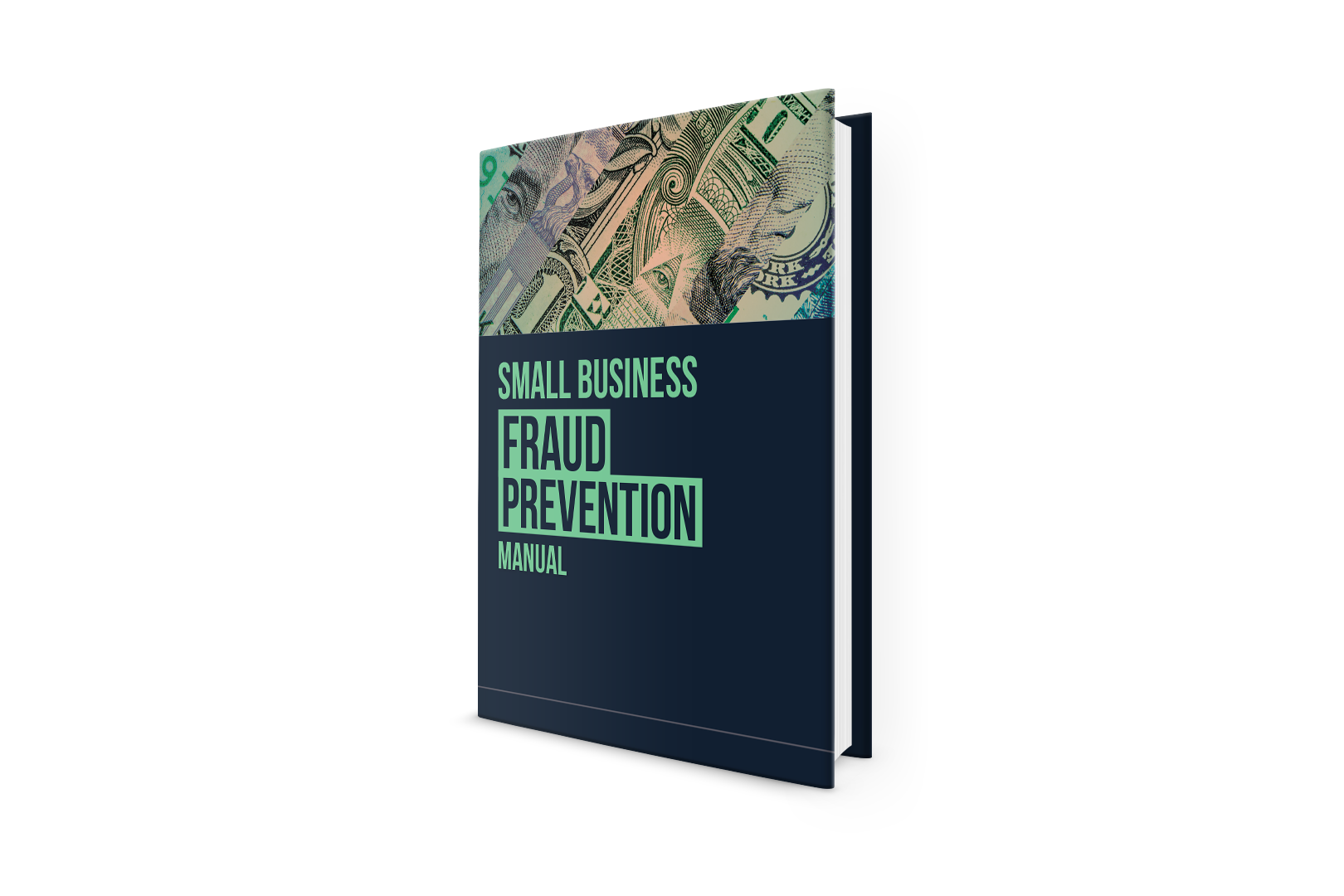
Case Studies in Occupational Fraud II presents real-life cases investigated by two fraud examiners—Jean-Francois Legault and Richard Woodford—featured in the ACFE’s Computer Fraud Casebook: The Bytes that Bite. Although each case study is as unique as its author, both case studies drive home a number of universal themes. For example, frauds can often be prevented with the most basic control procedures; if proper controls are in place, occupational fraud is much harder to commit without being detected. Additionally, frauds involve human failings that lead trusted people to violate that trust; in order to deter occupational fraud, we must understand this human factor.
Case I: Triple Threat
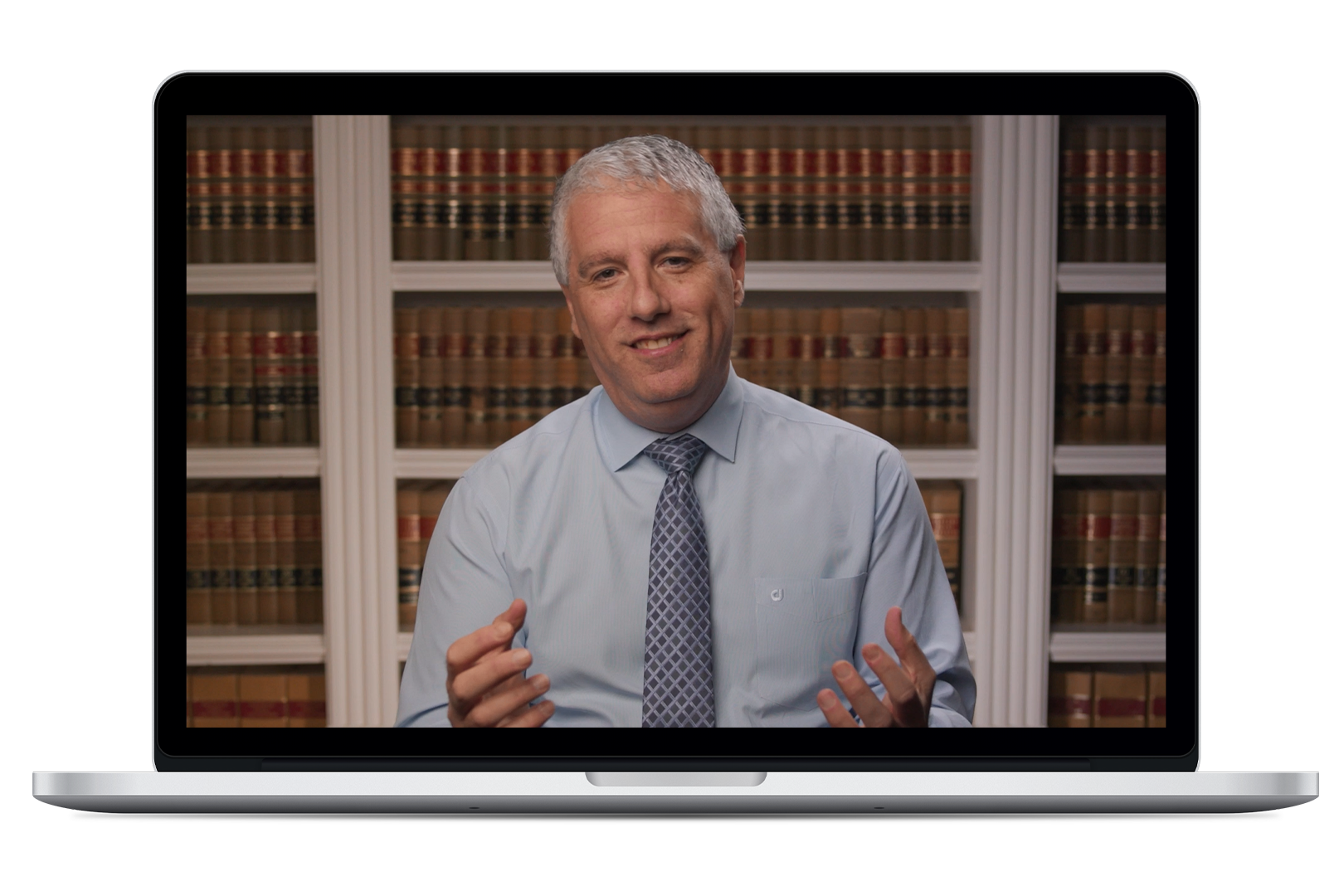
The first case study involves a fraud at MPO, a telecommunications company, that Jean-Francois Legault, CISA, CISSP, was called on to investigate upon the discovery of unusually high bonus payouts to MPO’s call-center agents. As told from Mr. Legault's perspective, this case study provides an insider's look at the specific fraud schemes uncovered and highlights the detective and preventive measures needed to reduce fraud risk.
Case II: Do As I Say, Not As I Do
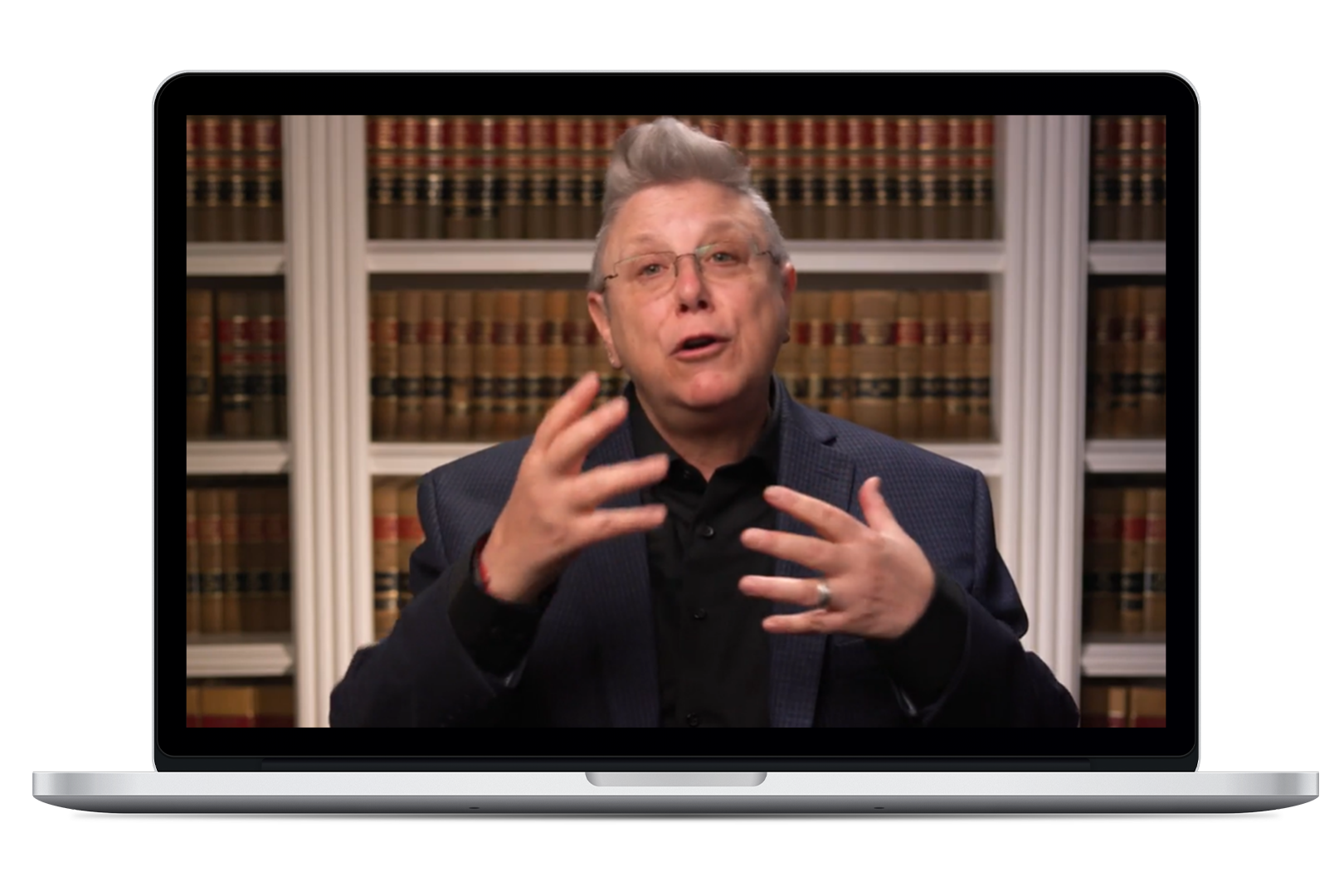
In the second case study, Richard F. Woodford Jr., J.D., CFE, uses the fraud triangle, along with other fraud concepts, to explain the role of opportunity, motivation and rationalization in the credit card misuse scheme that he investigated at Media Research Group.
What you will learn:
To examine and identify common occupational fraud schemes, including bonus manipulation and credit card schemes
To respond appropriately to detected incidents of occupational fraud
To evaluate factors that lead to fraud at organizations
To plan measures to prevent similar schemes from occurring to your organization and clients
Preview Course
Field of study: Specialized Knowledge and Applications
Last updated: july 2012
ACFE Ordering and Return Policy
Please Note: All self-study course exams must be completed within one year of purchase date to receive CPE credit.
The Association of Certified Fraud Examiners, Inc. is registered with the National Association of State Boards of Accountancy (NASBA) as a sponsor of continuing professional education on the National Registry of CPE Sponsors. State boards of accountancy have final authority on the acceptance of individual courses for CPE credit. Complaints regarding registered sponsors may be submitted to the National Registry of CPE Sponsors through its website: www.learningmarket.org
Table of Contents:
Lesson 1: Course Introduction
Lesson 2: Introduction to Case Study I
Lesson 3: Fraud Is Suspected
Lesson 4: Motivation and Opportunity for Fraud
Lesson 5: Scheme One - Avoiding Sales of Prepaid Service
Lesson 6: Scheme Two - Creating a Second User Account
Lesson 7: Scheme Three - Hiding Prepaid Account Activations
Lesson 8: Lessons Learned
Lesson 9: Recommendations to Prevent Future Occurrences
Lesson 10: Case Study I Review Questions
Lesson 11: Introduction to Case Study II
Lesson 12: Background Information on Danny
Lesson 13: Red Flags
Lesson 14: The Complaint
Lesson 15: Taking a Closer Look
Lesson 16: The Investigation
Lesson 17: The Confession
Lesson 18: In Violation of Public Trust
Lesson 19: Lessons Learned
Lesson 20: Recommendations to Prevent Future Occurrences
Lesson 21: Case Study II Review Questions
Lesson 22: Preventing Similar Occupational Frauds
ACFE online self-study courses feature:
24/7 access to courses through your Internet browser
Save time and quickly earn CPE credits with instant access, grading and printable certificate
The flexibility to start or stop a course and pick-up right where you left off
No additional shipping fees
Learn more about accessing your online self-study course.
Learn more about online self-study courses and their features.
System requirements:
Internet access: High-speed connection recommended
Free Adobe Flash Player
Speakers required for video sound
Online Self-Study Troubleshooting Guide:
Problem: When I attempt to access my courses from “My Online Learning,” the course never launches, or I receive an error message saying my pop-up blocker needs to be turned off.
Solution: Your web browser must be configured to allow pop-ups in order to access ACFE Self-Study courses. Your browser may prompt you to allow pop-ups, or you may have to allow them manually. You may either allow them for all sites, or allow them just for the current site.

For information on how to manage your pop-up blocker settings in a specific browser, click the link below that corresponds to the browser you are using:
Internet Explorer
Google Chrome
Firefox
Also note that many toolbars, such as the Google Toolbar and Yahoo! include pop-up blockers as well. If you have one or more toolbars installed on your browser with built-in pop-up blockers, you must configure them to allow pop-ups.
Problem: When I click on a course from “My Online Learning,” I am presented with a login page, but my ACFE.com username and password won’t allow me to log in.
Solution: You do not have to log in a second time to access your online self-study. You most likely reached the login page because you clicked the link labeled “Click Here” as shown below:

Do not click that link; instead, allow your browser to automatically open the eLearning window on its own, which should happen after a few seconds. This will log you in automatically so that you can access your online courses.
Problem: I receive the following error when I try to load a different lesson with a course:
Solution: This occurs in Internet Explorer when trying to load a different lesson without closing the current lesson. This error can be avoided two different ways:

Always close the current lesson before going to another one. Always click the Close Window button (usually the red “X” in the upper right corner) of the current lesson before clicking on another lesson.
Use a different browser. This error seems to only occur in Internet Explorer, so using Mozilla Firefox or Google Chrome should resolve the issue (see below for links to download either of these browsers).
Other Troubleshooting Tips: If you encounter other errors, such as courses freezing or crashing, we recommend taking the following action:

Try a different browser. ACFE online self-study courses are designed to run on all modern web browsers, but if you encounter a problem that is not solved using one of the suggestions above, you can try using a different web browser to see if it eliminates the problem. We have most frequently seen where using Mozilla Firefox or Google Chrome has resolved an issue that was seen in Internet Explorer.
Mozilla Firefox can be downloaded here
Google Chrome can be downloaded here
Make sure you are running the latest version of Flash. Go to Adobe.com to see what version of Flash you are running, and then compare that to the table on that page to see what the latest version is for your operating system/browser combination. If you are not running the newest version, you should upgrade and see if that resolves the problem.