Description:
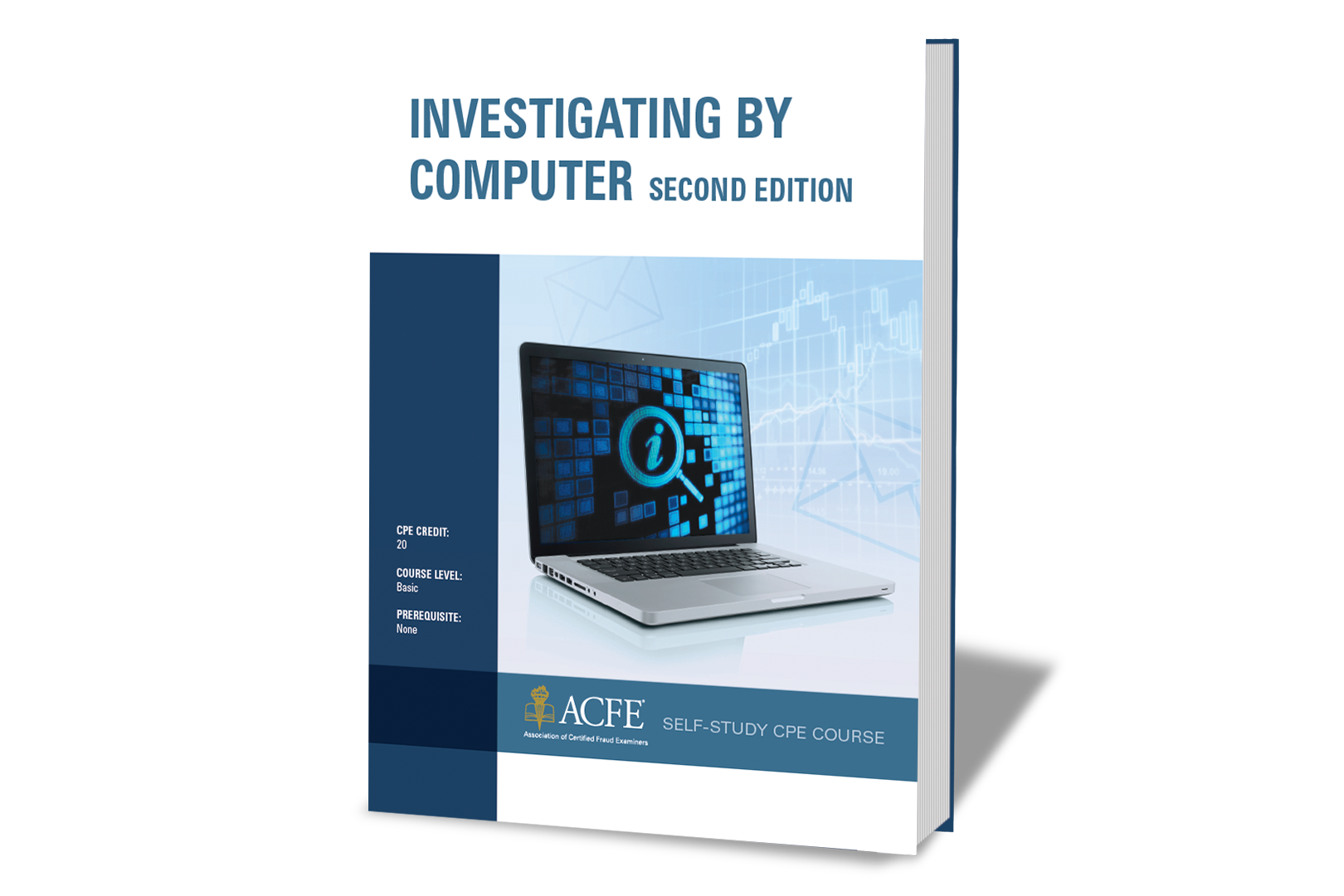
With an increasing number of crimes now committed using computers and computer networks, business professionals need to be well versed in the technical and legal issues related to digital evidence.
Written as a guide for every professional responsible for accessing data and using data-extraction and analysis software to detect and deter fraud and wasteful practices, Computer-Aided Fraud Prevention and Detection: A Step-by-Step Guide presents in-depth coverage for using data analysis as part of an ongoing organizational campaign to detect and prevent fraud. This essential guide includes more than sixty case studies providing hard-to-find implementation guidance for harnessing the power of the computer and data analysis to spot fraud.

This book contains a thorough discussion of:

Audit software tools
Approaches to assist in identify the highest of high risk fraud
Techniques for the development of analyses to look for fraud hidden in the data
Recognizing opportunities for CAATTs
Product Details:
Copyright 2009
ISBN 978-0-470-39243-0
Hardcover, 280 Pages
John Wiley & Sons Publishing
Table of Contents:
Chapter 1: What Is Fraud?
Chapter 2: Fraud Prevention and Detection
Chapter 3: Why Use Data Analysis to Detect Fraud?
Chapter 4: Solving the Data Problem
Chapter 5: Understanding the Data
Chapter 6: Overview of the Data
Chapter 7: Working with the Data
Chapter 8: Analyzing Trends in the Data
Chapter 9: Known Symptoms of Fraud
Chapter 10: Unknown Symptoms of Fraud
Chapter 11: Automating the Detection Process
Chapter 12: Verifying the Results
Appendix 1: Fraud Investigation Plans
Appendix 2: Application of CAATTs by Functional Area
Appendix 3: ACL Installation Process